June 24, 2008

The Ten Best Free Things to do on the Outer Banks

  • NCSA Cabaret Performance

Today is the opening performance of the North Carolina School of the Arts (NCSA) Summer Performance Festival at Festival Park. This is a great series and it is free. Tonight the NCSA presents the American Music Ensemble in a "Ragtime Revue". The entire series is highly recommended. The entire schedule is available at the Festival Park web site. Bring a lawn chair or blanket, a cooler and hear some great music. It runs through Friday with a different performance each week for the next 6 weeks.
There are many other free things to do on the Outer Banks so here is my list of the 10 best free things to do around here. In this case free is defined as not costing anything except the price of getting to the site. No fee, nothing to buy, just show up and enjoy:
  • See Some Art
There are a lot of great galleries around the area. You can walk in and visit for free. I recommend the Seaside Art Gallery on the beach road in Nags Head or Glen Eure's Ghost Fleet Gallery in Driftwood street. This area is known as Gallery Row and you can park and visit 7 or 8 galleries on foot. (between the highways just north of Kelly's).
In Duck check out the Greenleaf Gallery run by Didi Tupper and her artist husband Rick. Great place to see local and regional artists.
Downtown Manteo has a number of great galleries including the Dare County Arts Council gallery and the Gallery at Festival park which hosts rotating shows.
Finally don't miss the art collection at Nags Head Town Hall. It hosts probably the best collection of local art and artists in Dare County, maybe anywhere. Just walk in and walk around. All the art is on public display and there is a directory to help you find or identify particular pieces. It is an absolute treasure.
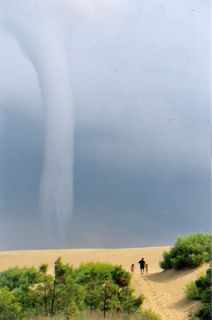
Climb the giant dune this blog is named after, trek a nature trail or learn about the area in the museum, this site can fill and hour or a couple of days. Bring the kids and let them run up and down the hill a few times. You will appreciate it at nap time.
Tip: Do not go mid day in the summer time. Go early or late. The sand can be over 120 degrees at noon in July. About an hour before sunset is a great time. The park rangers give a program about a half hour before the park closes that explains how the hill was formed and its role in the local ecology. You can even go to the beach on the west side of the park. There is a great sound access point with a nice beach. Bring water shoes or sandals because shifting sands can reveal broken glass and other debris. A great place to go when the ocean is too rough.
Turn west at McDonalds in Kill Devil Hills, drive about a mile and enter another world. Nags Head Woods Preserve is operated by The Nature Conservancy and owned variously by TNC and the Towns of Nags Head and Kill Devil Hills. The maritime forest is a vestige of the barrier island ecosystem that has been preserved intact. Large live oak, sweet gum and pine trees border fresh water ponds. Lots of birds and wildlife including our local deer herd. There is a great set of trails to walk. Wonderful in the hot summertime or a windy wintertime day.
If walking in the summer time think tick protection - long sleeves and pants, light colors and check yourself after walking. Even with that caveat this is still a great site (sight) to see.
  • Walk and view the Historic Nags Head Cottages
Park at St. Andrews Church on the beach road in Nags Head and walk north and south to see the original beach cottages. Many of these date from the late 19th century or very early 20th century. Make sure you see the Buchanon Cottage across from Mulligans. It is the largest and it hosted FDR when he visited the Lost Colongy during WW II.
Another great way to see these homes is to park at Dowitcher St. and walk over to the beach through the Small St. access. Head north up the beach and get a sense of what life was like a long time ago. the beach is uncrowded and the views are spectacular. Do it at dawn and bring your camera.
There are several good books on the cottages but you don't need one to appreciate their beauty. Nice brief Nags Head history at the OBX Guide or try this Google search page for more information about the area.
OK This one is easy. No matter where you are there is a light house within driving distance in fact there are lots of them. Corrolla, Bodie Island and Hatteras all have interpretive displays and great visuals. Both Hatteras and Bodie Island have nature trails. The walk or bike ride around the Ocracoke Lighthouse is fascinating. Stop by the Ocracoke Preservation Assoc. Museum for a great hour or 2 learning about life on Ocracoke in the auld toimes
To get to the Ocracoke Lighthouse you need to do another great free activity, ride the Hatteras-Ocracoke Ferry. The 45 minute ride is as scenic as it is refreshing. You will feel your cares drift away as you get closer to Ocracoke. The boat ride is worth drive down by itself. Go across, see the lighthouse and the ponies, have picnic lunch and ride the ferry back. All for the cost of your gas. This is my favorite day trip.
We opened this post talking about the free summer performances at Festival Park but there is a lot more free stuff there. Check the schedule for kids programs, movies and exhibits in the gallery. You can pay to go see the Elizabeth II but you don't need to to enjoy this great state run attraction. We saw a traveling Chinese acrobatic troupe in May and the NC Symphony the next week. There is always something going on.
The restored lifesaving station in Rodanthe (formerly called Chicamicomico) is a great place to stop on Hatteras Island. The museum displays photos and artifacts from the days when the Lifesaving Service resuced hundreds of sailors and passengers from the dangerous winds and currents around Cape Hatteras. One example
On August 16, 1918, the British tanker Mirlo was sunk by the German submarine U-117. The rescue of 42 of 51 British sailors is considered one of the greatest rescues of WWI and the early Coast Guard. This amazing, heroic rescue is told in other papers.
Drive down from Nags Head and stop on your way to the Hatteras Light or have lunch at the Pea Island Wildlife Center interpretive area, along the way.
NOTE: The Chicamicomico Life Saving Station now has an admission fee so it is not free. The FWS Wildlife Center is free so I still have 10 things. See the comments section for details.
At the other end of the Outer Banks the NC Wildlife Commission has established a marvelous education center in Corrolla. Like Jockeys Ridge, it is free with some small fees for special programs. Lots to see and do while you learn about the natural history of the area and the heritage of the people who settled the area and harvested its bounty.
  • Go to the Beach
The last one is also the easiest one. The best free thing to do on the Outer Banks is just to go to the beach. Sit, read, walk, swim or fish there are at least 10 ways to enjoy the beach and in NC (unlike many places) it won't cost a dime to go to park. The Visitors Bureau has a pretty good list of beach access sites complete with the status of lifeguards and handicapped access. Pick one and have a great time.

There is my list of the top ten free things to do on the Outer Banks. It could easily fill a weeks vacation or even 2 weeks depending on how much time you spend on the beach. Let me know the free things you enjoy. I reckon the only one I didn't mention is reading this blog.
Ciao


Labels: , , , , , , , , , , ,

June 5, 2008

Hatteras Access and the Bonner Bridge The next battleground

Micheal Berry is back in Island Free Press writing about the next threat to access in the Cape Hatteras National Seashore. The Fish and Wildlife Service (FWS) has issued notice of new standards for "critical habitat" for wintering piping plovers. I can't begin to summarize the lengthy piece. It is carefully documented and well crafted. I suggest you read it. NOW!
Berry addresses a host of problems with the proposed designation including the relationship between the closures and public access to the beach:

The U.S. Fish and Wildlife Service should be very clear and open to the actual and probable impact of the critical habitat designation, especially about very likely lawsuits suits that can lead to the banning of ORVs from designated beaches.

In the notice, the FWS uses contradictory language when it states of page 28088:

"If implemented, these closures would reduce the opportunity for recreational activities such as ORV use. The Service believes, however, that additional beach closures due to designation of critical habitat for wintering piping plovers are unlikely."

Given the legal framework put in place regarding critical habit designation, the FWS is at least naïve in believing that litigation will not be forthcoming from environmental activists organizations that exist for the sole purpose of litigating and driving the public away from the national seashore. Currently, even without the critical habitat designation, thousands of citizens arrive at the Cape Hatteras National Seashore only to finds beaches closed for public use. In the face of critical habitat designation, the public anxiety about future beach closures and ORV prohibition will increase greatly.

Beach access is not the only thing threatened by these rules, Access to Hatteras Island may be impacted again. Want something to worry about read this:
One of the most disturbing sections of the critical habitat designation notice is the statement that the FWS makes related to the Bonner Bridge. The FWS "….plans to consult with the Federal Highway Administration on the replacement of the Bonner Bridge. At this time, it is unclear if these projects will affect the proposed revised critical habitat; therefore, this analysis does not include administrative costs associated with these projects."

This particular statement indicates that the FWS has not fully assessed the public safety aspects of the critical habitat designation impact, let along the economic full costs of the designation. It is governmentally irresponsible to place humans at risk in the name of protecting a single bird species, which is otherwise being successfully protected through thoughtful management processes that have been shown to be effective without the special legal designation of critical habitat.

Once again, it must be emphasized: The replacement of the Bonner Bridge is essential to the protection of human life and the economy of Hatteras Island. The critical habitat designation will add to the cost, and delay the construction of the much-needed Bonner Bridge.

The Va. Pilot notes that the environmental review of the Bonner Bridge plans has been delayed. DOT stresses that project is still on schedule but the article contains this little nugget:"...the completion date for the final environmental impact statement is delayed until August while information is await ed from the U.S. Fish and Wildlife Service on threatened and endangered species." Put this together with the proposed rules and you get a scenario that has FWS, which has long opposed the short bridge option, invoking piping plover protection to block it. No short bridge delays all the plans, eventually closes Pea Island to public access and adds hundreds of millions in costs. It also circumvents the entire environmental process used for permitting the bridge.
Some might say Berry and Bob(me) are being alarmist. I might have said that 6 month ago but the outcome of the SELC suit demonstrates that worst case scenarios can come true and without warning. We can see this one coming a mile away. Lets hope we can dodge it.
Thanks to Mike Berry for his work and to Irene Nolan at the IFP for publishing it. Go click some ads and support her, she is doing very good work.
Ciao

Labels: , , , , , , , , ,

June 2, 2008

Starnews - Public access, residential peace?


We have been hearing a lot about access. The ORV issue at Cape Hatteras is basically an access issue. I poke Southern Shores frequently about their lack of access. Acess battles rage up and down the coast. How can the public access the beach and how does that impact the neighbors is being debated up and down the coast.
The Wilmington Star News had an insightful editorial about the problems that accompany access entitled Public access, residential peace? The piece talks about the struggle over a public boat ramp and marina in Topsail Beach. It goes on to identify a series of controversial beach access projects on the southern NC Coast. It closes with this paragraph that contains a nugget we all need to remember:
"As other coastal communities wrestle with the omnipresent issue of public access, they should keep in mind, as Topsail's board did in this case, that the beach belongs to everyone - the well-heeled and those who favor flip-flops."

Ciao

Labels: , , , , , , , ,

April 17, 2008

ORV Congrats Derb Carter you won

The ORV law suit has been settled. All the parties have accepted the settlement, though it is not clear just how happy the intervenors (Dare and Hyde County and some ORV groups). You can read the consent decrees and see some maps at the Island Free Press. The Va. Pilot has a story as well.
It looks like a loss of access to some parts of Oregon Inlet, Cape Point and Ocracoke Inlet, especially if piping plover chicks hatch. One good provision is a deadline for the negotiated rulemaking process. Monicell0 at OBR has some highlights.
I don't have enough info to explain what this will mean in real terms. There is no permitting system nor is there an absolute limit on the number of vehicles. Both elements identified by Judge Boyle as important. When it becomes clear just what the limits are I will point you there.
Ciao

Labels: , , , , , , , , , , , ,